
 Jacob Saucier
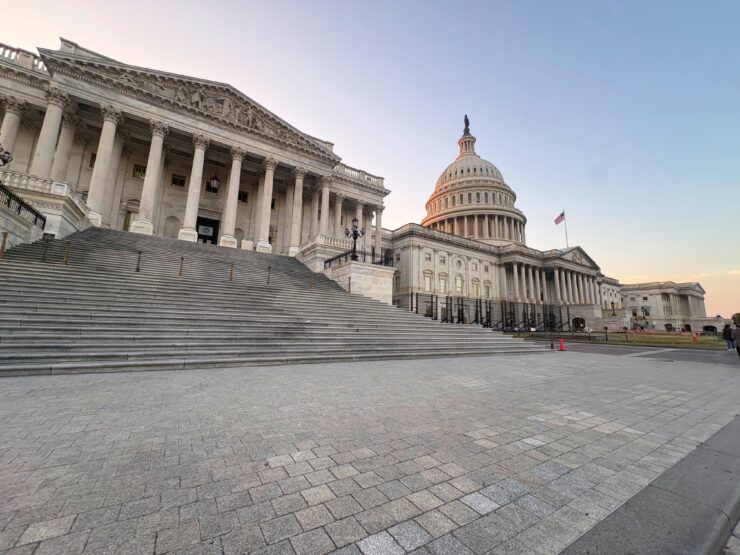
With lawmakers back home ahead of the Nov. 3 midterm elections, the halls of the Capitol have grown quieter, but not silent.
The Senate and the House of Representatives held their last pre-midterm votes in September, leaving lawmakers with an extended recess to connect with voters.
While the officials focus on snaring another term in office, thousands of congressional staffers and interns remain at work in Washington, D.C., handling the legislature’s day-to-day responsibilities, managing constituent mail, researching legislation, and preparing for the boss’s return.
Congressional ethics rules require staffers to separate their official duties from political campaigns. While employees may volunteer or work for their Congressperson’s reelection campaign on their own time, they are prohibited from using congressional resources or official working hours for campaign activities.
For congressional interns, the extended recess means fewer meetings, quieter offices and more time for research, even as their daily responsibilities continue.
Quiet in the House
Charna Skolnick, a press intern for Rep. Madeleine Dean, D-Pa., said the biggest difference comes from whether Congress is in session, rather than whether the congresswoman is physically present.
Skolnick said she and two other interns for Dean begin a typical day compiling clips from local, national and international news coverage for the Washington and district offices, she said. They also answer constituent calls, review voicemails, direct visitors to meetings and attend hearings when scheduled.
With Congress out of session, Skolnick said staff members tend to work remotely, returning to the office when their congressional member is in Washington.
With many elected officials and staffers out of office, Skolnick said, “There’s way less meetings with lobbyists, there’s way less constituent meetings, there’s just less meetings in general, which means less work for us.”
Despite the quieter atmosphere, Skolnick said Dean’s absence has had little effect on office morale since the congresswoman has returned to D.C. for multiple events.
Skolnick said all the staff members show up and that “The energy in the office is a little higher” when the congresswoman visits.
Senate’s ‘pretty chill’ pace
A similar slowdown has occurred in the Senate, where Thaddeus “Teddy” Busser works as a legislative intern for Sen. Lisa Blunt Rochester, D-Del.
Busser typically prepares press briefing lists, writes legislative memos and gives Capitol tours to Delaware constituents. Since Congress entered recess, however, he said his work has shifted away from memos and towards background research.
“This is a time when I think my bosses, legislative correspondents and legislative aides, assistants, whatever titles you might want to give them, are doing some deeper research and formulating their ideas on further projects,” Busser said.
Busser said the office is generally “pretty chill” and full of “friendly banter.” He described the campaign season as a particularly quiet period.
“October recess is a very, very desolate time for congressional staffers. There are a lot of people who are typically planning their vacations around this as they don’t have any time to outside of this month,” he said.
With fewer people around and limited ways to contact those out of office, Busser said, “Comraderie kind of dies down slightly, but not by too much.”
Although fewer employees may be physically present, Busser said the office remains in contact with Blunt Rochester and continues its work.
“The senator’s working every single day,” Busser said, “Our staffers just might not be working in person every single day.”
Henry Wisniewski, a legislative intern for Sen. Bill Hagerty, R-Tenn., described a similar slowdown, with fewer meetings and constituent calls occupying his workday.
“Because there’s no laws being proposed or passed, there’s fewer calls coming through,” he said in a direct message.
“The days get more boring,” Wisniewski wrote.
Thousands of workers remain on the Hill
In 2023, House members employed approximately 3,707 people in their D.C offices, according to the Congressional Research Service. Similarly, the CRS calculated that Senate members employed 2,507 D.C. staff members during 2022.
Senate committees employ hundreds of additional staffers according to the CRS, although potential overlap from employees working part-time for committees and for senators makes the number of unique employees hard to estimate.
Intern numbers are not tracked or included in staff directories, but Hill Climbers, a Capitol Hill workforce data aggregation service, estimates that on average House members employ one paid intern for every 5 staffers. There is no maximum number of unpaid interns an office can have, according to the CRS.
With the Senate and the House scheduled to return on Monday, Nov. 9, employees and visitors will soon return in full force. Quiet never lasts for long on Capitol Hill.

 Kayden Anderson
 Makyla McLeod

 Albina Yeromina


Add comment