
 Nia Ames
Ahead of the upcoming elections, transportation issues are on the minds of Georgetown residents, as they say it’s harder than ever to move around the neighborhood.
Georgetown residents say that transportation has become increasingly limited, costly, and inaccessible.
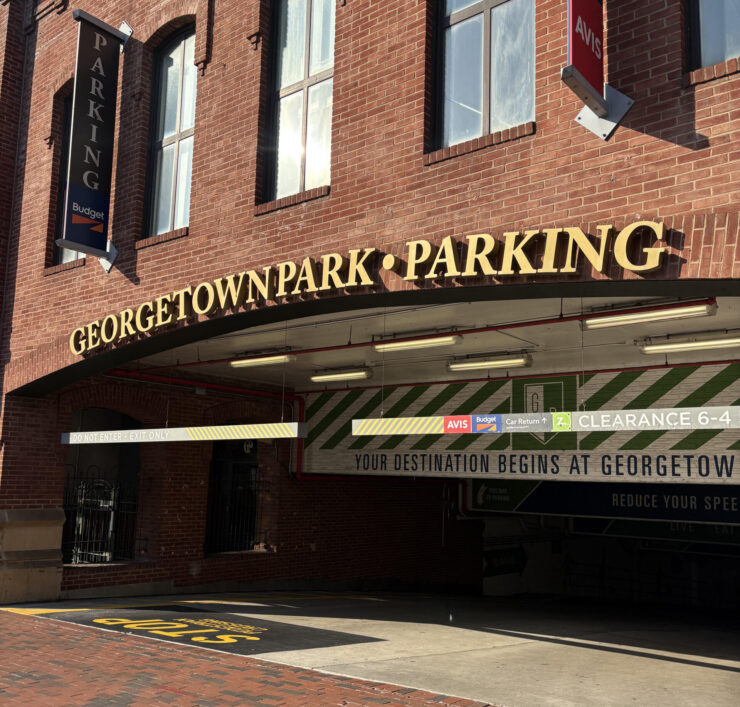
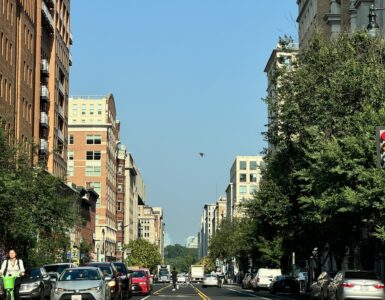
An ongoing concern for Georgetown community members is parking. Street parking is scarce, said Joe Nortun, a small business owner and board member of Georgetown Mainstreet.
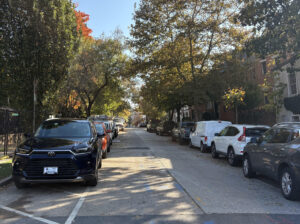
There doesn’t ever seem to be enough parking, and roads are becoming increasingly congested, said Nortun.
“It gets very tight and slows down everything right in the city,” said Nortun.
Georgetown drivers who are unable to find street parking often resort to using paid parking garages, and fees associated with parking rack up quickly. Just one month of parking in the neighborhood costs roughly $320, said Nortun.
But increased costs of transport doesn’t just impact drivers and car owners in Georgetown.
Nick St. Sauveur, a customer service worker, said he would like elected officials to work on lowering bus ticket prices.
“At least in terms of having mobility for the future, I want to be able to travel inside and outside of Georgetown without having to take a lot of burden,” said St. Sauveur.
St. Sauveur said he walks as his primary form of transport to avoid incurring transportation fees. Walking for up to four miles acrossthe neighborhood can get burdensome, he said.
In addition to the costs of transportation, Georgetown’s public transit lacks accessibility, said St. Sauveur.
According to an article from the Georgetown Hoya, the Washington Metropolitan Area Transit Authority closed four bus stops in 2025.
Prior to this route modification, transportation was already a hot button issue within the Georgetown community. The neighborhood lacks a Metro station, with the closest available trainline being located in Foggy Bottom.
The lack of a Metro stop makes sense, said St. Sauveur. The costs required to take on a grand scale project like building a station, and the labor required, are valid reasons, but transportation needs to be more accessible, he added.
“I think access for the younger generation, through things like the Metro, would be a big thing,” said St. Sauveur.
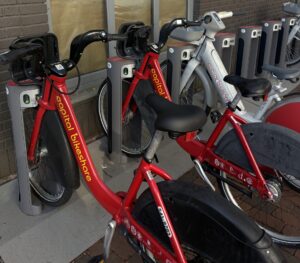
A common alternative in the neighborhood to riding the bus is the use of electric scooters and bicycles, but street congestion and improper docking of e-bikes and scooters can be a safety concern.
Ward 2, which includes Georgetown, has the highest scooter and e-bike activity by ward, according to The Georgetowner. The Georgetowner added that the ward also has the highest rate of electric scooter and bicycle crashes within the ward, making safety and regulations for these means of transportation a pressing neighborhood issue.
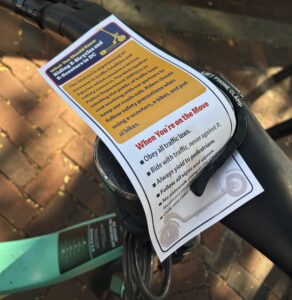
Specifically, teenagers and high school students using electric scooters and bicycles often ride them in the wrong lane, said Ivory Gibbs, a stay-at-home mother and Ward 3 resident.
Gibbs said she has seen recent improvement in other neighborhood issues such as homelessness and crime, but the neighborhood’s transport safety and regulations need improvement.
 Isabella Barias
 Alyssa Summers
 Birchard Allen


Add comment