
 Celeste Hoytt
D.C. voters will decide Nov. 3 whether to ban foie gras and other products made from force-fed birds, but in NoMa, where three restaurants serve the dish, many residents say they’ve barely heard about Initiative 86.
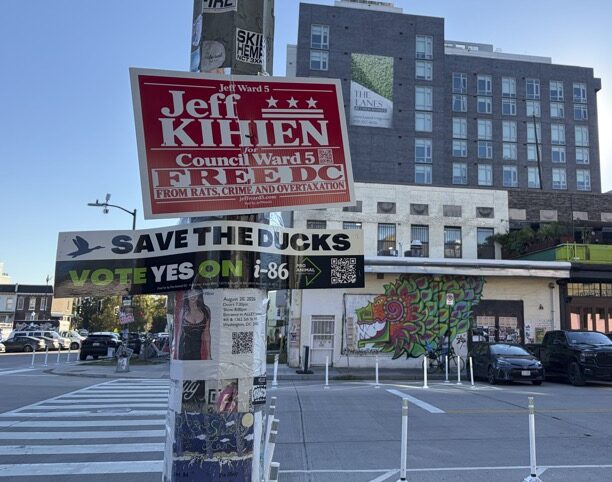
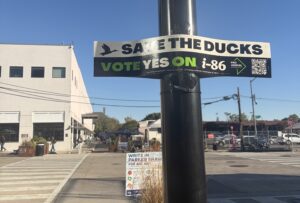
Ads for the measure line the neighborhood for blocks, yet residents interviewed said housing, affordability, and homelessness are bigger concerns.
“I’m not sure if the mass of people in NoMa would be impacted by the banning of it,” said Connie Adams, an aid worker.
However, animal-rights activist groups say the ban is about preventing animal cruelty, regardless of whether residents regularly eat foie gras.
Initiative 86, formerly the Prohibiting Force-Feeding of Birds Act of 2026, would ban force-feeding birds and the sale of any product resulting from it, including foie gras. Businesses that violate the law could face fines of $1,000 to $5,000, and repeat violations could lead to revocation of business licenses. If voters approve it, the ban will take effect July 1, 2027.
The question is on the ballot because some D.C. residents pushed for it.
The animal advocacy group, Pro-Animal D.C. submitted more than 46,000 signatures. The group says that number is more than any other D.C. ballot initiative has collected except for recreational marijuana.
The vote is a direct test of whether a neighborhood with a dining hub sees the issue as a moral priority or a distraction from everyday problems.
Advocates argue it is both, and that a local vote can matter far beyond local borders.
For some residents, the issue is real but not urgent.
Adams, a self-proclaimed animal activist, calls foie gras a luxury item that people can simply refuse to buy if they believe the practice is wrong. She said the neighborhood has other concerns.
“There are bigger problems here like housing, affordability, and getting people off the street,” Adams said.
Others say the footage of animal abuse online to showcase the force-feeding practice has changed their minds.
Foie gras is made by force-feeding ducks and geese through a tube down their throats until their livers swell to about 10 times their normal size, according to animal rights group, People for the Ethical Treatment of Animals, which calls the practice abusive.
Bernard C., a Safe Streets ambassador and longtime NoMa resident, said he has seen videos on social media. He declined to offer his full surname.
“They’re doing it with a lot of different animals,” he said. “I’ve never had duck, but I definitely wouldn’t now.”
Al-Amin A., a worker on Capitol Hill, who wished for his full name to be left out due to privacy concerns, said he was surprised by how widespread the dish is in D.C., but he sees it as more than a food issue.
Al-Amin called it a clear example of wealth consolidation and said the practice is abusive “from start to end.” In his view, most people would call the treatment of the birds as morally wrong.
“It’s a sense of entitlement from these rich people,” Al-Amin said, arguing they resent working class people for trying to take away a luxury food item.

He guessed that few restaurants serve foie gras in NoMa.
Two French restaurants and an Italian Michelin-Starred restaurant in NoMa serve foie gras as a main dish.
Advocates say the gap between a neighborhood’s attention and an issue’s importance is exactly why a local vote matters.
Natalie Ahwesh, director of state affairs at Animal Wellness Action in D.C., called Initiative 86, “a perfect example of how local communities can take meaningful action against practices that cause unnecessary animal suffering.”
Ahwesh said a measure on the treatment of farm animals in D.C. brings additional visibility to an issue that is too often overlooked in a broader conversation about animal protection.
“D.C. is a culinary destination. Restricting the sale of foie gras produce through force feeding would have tangible implications for the market for these products,” Ahwesh said.
It would also show that local governments can use their authority to address animal welfare, she said, and that the movement matters regardless of where someone lives.
“Initiative 86 is more than just foie gras. Local initiatives generate momentum, encourage businesses to adapt, and inspire advocates and lawmakers elsewhere to pursue similar reform,” Ahwesh said.
For some NoMa residents, the question is already settled, and they say it should be answered at the ballot.
“How you treat animals shows how you treat humans, if you’re a good person or not”, said Alonzo Campbell, longtime NoMa resident, said. “I’d hope that in NoMa, we have good residents in our community who vote against the suffering of animals.”

 Hiba Alkhersam

 Isabella Barias

 Alyssa Summers


Add comment