
 Yi Ya (Becky) Tseng
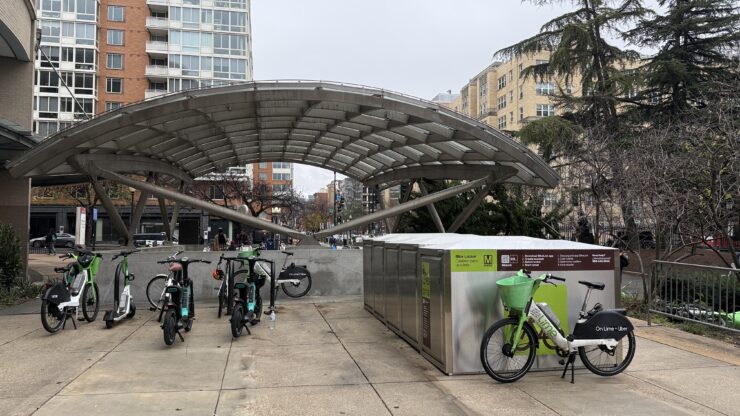
D.C. cyclists are welcoming Metro’s new app-based bicycle lockers at the Foggy Bottom and Eastern Market stations, but say their impact will depend on how quickly the transit system expands them–a timeline Metro hasn’t yet released.
Metro unveiled the new lockers Nov. 21, saying they would give cyclists cheaper and more secure options.
The lockers are part of Metro’s effort to make stations more accessible for riders arriving on foot, by bus, by car or by bike, said Jordan Pascale, media relations manager for WMATA.
But even as cyclists embrace the new system, Pascale said Metro does not have a schedule for when additional stations will receive lockers.
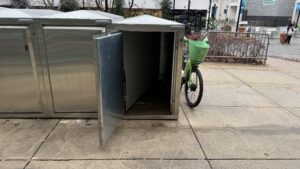
In its Nov. 21 announcement, Metro said over the coming months it would install 450 bike lockers, 50 oversized lockers for cargo bikes, and 100 self-locking bike racks at 73 rail stations across the region. In addition, Metro said it would add 75 bike repair stations and 600 new u-racks to the stations.
Pascale said the agency will update the table on its bike parking website as new facilities come online through 2027, though he did not provide a detailed rollout timeline.
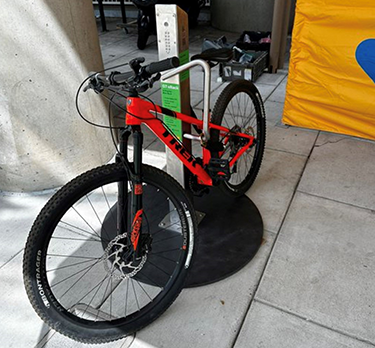
Cyclists can reserve lockers through the BikeLink app for five cents an hour, capped at $1 per day. Regular units fit standard bikes, while oversized lockers can accommodate larger cargo bikes.
Riders end their rental by closing the locker door and confirming through the app.
The program is intended to give cyclists a safer and more secure option than outdoor racks, which many riders describe as vulnerable to theft.
“It definitely feels safer than locking my bike to a pole,” said Andrew Frank, a cyclist who uses the new locker at Foggy Bottom. “I’ve had my lock cut before. Paying a dollar to keep it secure all day is cheap.”
For riders at the two stations, the new lockers are useful but not without frustrations.
Several cyclists at Foggy Bottom said the setup process — downloading the BikeLink app, creating an account and linking a credit card — felt inconvenient, especially in the cold.
“You can’t just walk up and use it right away,” said a cyclist who asked not to be named. “I had to stand here in the cold setting everything up, and it gets annoying.”
Others said the lockers are difficult to check without walking directly up to them.
“You have to stand right in front of it to see how many are free,” said Kelly Moll, a cyclist who uses the new locker at Foggy Bottom. “That feels a little silly.”
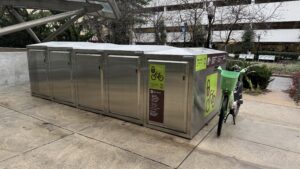
Moll said she expects usage to grow as more people learn about the system, but she questioned whether 10 lockers at each station would be enough.
“It’s new, so not many people are using it yet,” Moll said. “But 10 seems too few once it gets popular.”
Not everyone passing by saw the lockers as useful. One pedestrian said the program does not fit her habits and is unlikely to affect riders who do not bike.
“It doesn’t help me,” said Lauren Wilson, who usually rents scooters instead. “It’s a good idea, but if you don’t bike, it doesn’t change anything.”
The new system replaces Metro’s older annual-rental lockers, which cost about $120 a year and often required waitlists. The pay-as-you-go model is designed to give cyclists more flexibility and lower the cost for occasional riders.
For now, Foggy Bottom and Eastern Market will serve as early test sites for the new system. Until Metro releases a more detailed rollout schedule, riders say they are waiting to see how quickly the lockers spread to the rest of the network.
“I really hope more stations get lockers soon,” Frank said. “It would make biking to Metro a lot easier.”
 Ellen Tannor
 Kordell Martin
 Isabel Del Mastro
 Kendall Staton
 Terrance Williams


Add comment