
 Nia Ames
As they cast their ballots in today’s election, voters in Georgetown say they want to see more focus on serving local communities from newly elected legislators.
Elected officials should invest more attention into local communities, said Sergio Arispe, who works in the neighborhood as a chef. National decisions and actions like the ongoing war in Iran result in consequences on the community level, he said.
Specifically, affordability remains a main concern for voters in the neighborhood.
House prices and real estate costs need to come down, said Balaji Lakshmanan, a chief technology officer at the Georgetown polling spot.
People are focused on paying their mortgages, which limits their flexible income, he said. Lower housing costs would have a trickle-down effect, easing other community struggles, he said.
“More money people have, more cash flow’s there,” said Lakshmanan.
Lakshmanan added that lower housing costs would encourage community members to engage more with local businesses.
While he shops from small businesses, he said that comes at a cost.
“I know I pay a premium, but I feel like I’m supporting the community and the neighborhood,” said Lakshmanan.
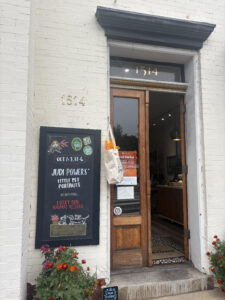
Voters in Georgetown say they would like to shop locally, but experience challenges in doing so.
There’s been an increase in fine dining establishments, said MaryAnne Onianwah, a cyber security engineer casting her vote in Georgetown. But there’s a distinct lack of accessible and affordable mom and pop shops, she said.
Food insecurity and costs of groceries are already issues ahead of this election, said Onianwah. Purchasing groceries from farmers markets or eating at fine dining small restaurants act as added and inaccessible expenses, she said.
Small businesses struggling to keep their doors open also makes it hard to shop locally, Onianwah said. She hopes to see protections and resources afforded to grant small businesses long-term residencies, she added.
According to a September 2026 report from the U.S. Chamber of Commerce, 27% of small businesses consider the U.S. economy to be in a good state.
This rate has decreased since July, which found a 30% economy satisfaction rate from small businesses, according to the U.S. Chamber of Commerce.
“Every time I open Twitter, social media, like a new restaurant or something, is closing down,” said Onianwah.
Justin Galdamez Lazo, a Georgetown University student, also said he has noticed a lack of small businesses and grocers in the neighborhood. As a result, he does most of his shopping at larger businesses like Safeway, he said.
But big businesses get enough profit as it is, said Aripse. Small businesses deserve more attention and advertising from elected officials, so that local shops can counteract heavy costs of supplies and materials, he added.
Following the election, voters in Georgetown say they want legislators to promote and aid small businesses, so that members of the community can shop small hassle free.


Add comment