
 Luisa Clausen
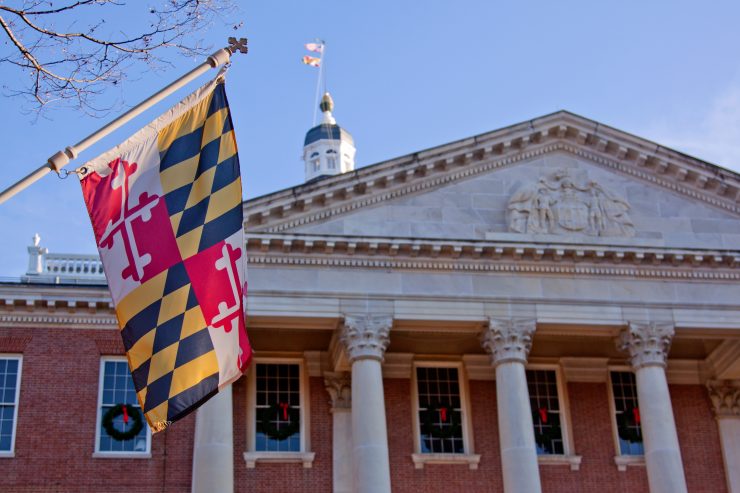
On paper, Maryland boasts one of the nation’s most innovative health systems. But in the state’s rural areas, where hospitals thin out, a growing health care crisis looms for patients and medical personnel.
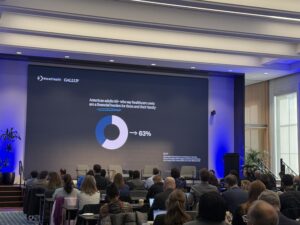
Maryland Health Secretary Meena Seshamani spoke at a forum in D.C. in November just a week after the nation’s longest government shutdown reignited debate over the Affordable Care Act. Seshamani, a former official at the Centers for Medicare and Medicaid during the Obama administration, said reforms are underway, but Maryland cannot fully address widening access gaps without federal support.
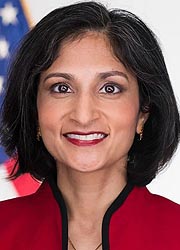
“There’s always room for improvement,” Seshamani said at Semafor’s Future of Health Forum on Nov. 18. “And we have an opportunity to be able to bridge the gap in healthcare with the local economy.”
She said rural Marylanders face pressures, including rising insurance costs, workforce shortages and transportation barriers.
In October, the Maryland Department of Health submitted a formal application under the new federal Rural Health Transformation Program, a $50 billion national initiative created under the ‘One Big Beautiful Bill,” in an effort to address persistent rural health inequities.
The state’s proposal is divided into three initiatives: recruiting and training new rural health providers and students, creating more sustainable ways for patients to access care, such as mobile health care units dedicated to each rural region, and nutrition and food programs that connect local farm harvests with rural hunger “hot spots.”
The plan notes Maryland’s rural residents are older, face higher rates of chronic disease, have fewer providers and experience structural barriers like isolation and poverty.
Douglas Jacobs, the executive director of the Maryland Health Care Commission, said there’s a lot of “promise” in the grant though different concerns loom in the medical field.
ACA marketplace subsidies, which allows millions of Americans to afford private health insurance, is expiring at the end of 2025. Jacobs, who is a primary care physician, said he has “seen first hand the effects not having health insurance can have.”
Jacobs said low income people living in the rural areas of the state could face disproportionate effects without insurance.
The crisis in the health care field goes beyond affordability, Jacobs said. He said transportation and the effects of persistent poverty play a role in it as well.
“I think taking a more holistic look at patients and the communities that they live in, what services they have access to, can be especially important in determining a person’s overall health,” Jacobs said.
Jonathan Dayton, executive director of the Maryland Rural Health Care Association, agrees. He said public transportation in Maryland is limited and taxi services can be expensive. In places like Western Maryland, Dayton said the weather compounds these challenges because even if there is public transportation available, any routes don’t reach outlying areas.
Beyond transportation challenges, Dayton said health care is not the first financial priority in many households where mortgages, utilities, food and other basic needs take the forefront.
“Factoring in wait times, meals, and travel, many patients lose an entire workday, which isn’t feasible for every family,” Dayton said.
Rural counties account for 29% of Maryland’s population, with 18 of 24 counties considered rural. Yet only 4,133 of Maryland’s 20,188 physicians work in those regions, according to data from the Rural Maryland Council, a state agency.
What’s more, one-in-four hospital nursing jobs statewide remain unfilled, and the state operates with 16% fewer physicians than the national average, according to a workforce study cited by the Maryland Military Coalition in 2024.
Southern Maryland, Western Maryland and the Eastern Shore are among the hardest hit, with shortages across 25 of 30 specialties in Southern Maryland, 20 in Western Maryland and 18 on the Eastern Shore.
“Policymakers and decision-makers need to spend time in these communities to fully understand the reality on the ground,” Dayton said.
Policy changes in D.C. are adding pressure.
In September, President Donald Trump announced a $100,000 fee for H-1B visa applications, a non-immigrant visa that allows U.S. employers to temporarily hire foreign workers in “specialty occupations.”
Previously, visa fees ranged from $2,000 to $5,000 per application, depending on the size of the company, according to the Immigration Law Group.
Dayton said the visa restrictions on internationally trained providers “create additional barriers in a system already experiencing shortages.” He said such limits deepen recruitment challenges and impact patients.
Dayton warned that if trends continue, rural residents could face longer emergency wait times, delayed appointments and worsening health outcomes.
“At the end of the day, we do have common goals, and I think there is a huge opportunity for us to continue to focus on those,” Seshamani told the conference.
Even with the reforms, Seshamani said affordability remains a growing threat. One of the tactics the state employed to prevent this was to create its own subsidy to help “cushion the blow” for residents in case federal assistance declines.
“However, it cushions it; it does not get rid of it,” Seshamani said.
Amelia Arria, associate dean for strategic initiatives at the University of Maryland School of Public Health, said she agrees with Seshamani.
Arria said there is a palpable concern among health care workers in the state about how Maryland will integrate rural communities into preventative healthcare, which Seshamani said should be a goal.
“We cannot separate and say hospitals and physicians are the only place to access healthcare,” Arria said

 Wash staff


Add comment