
 Albina Yeromina
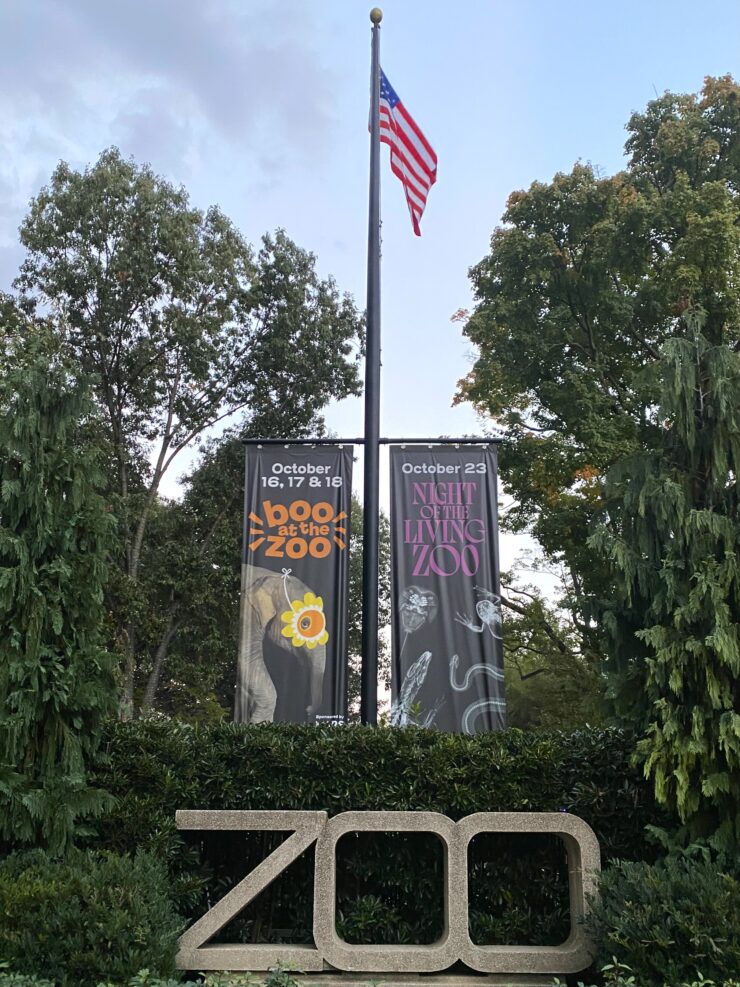
The National Zoo continues its series of seasonal events this Friday, Oct. 23, hosting the after-dark Halloween party, Night of the Living Zoo.
The adults-only event follows this past weekend’s Boo at the Zoo, the zoo’s annual Halloween event for children. Next month, it’s winter tradition, ZooLights, returns, running from Nov. 20 until Jan. 3.
These fee-based events help support the zoo’s animal conservation mission and allow it to offer a variety of free educational programs. More are planned for 2027.
“In addition to supporting larger initiatives related to the Zoo’s mission to save species, revenue from those programs would help support educational programming, staffing, and program delivery while also helping us maintain and expand the free learning opportunities that remain central to our mission,” Lara Klopfer, head of learning and visitor education at the National Zoo, said in an email.
Klopfer said the new fee-based educational programs are still in development and are intended to complement existing free offerings. The programs would be tailored to meet the specific needs, schedules and learning goals of community organizations, scout groups and other interested groups.
She also said that as new programs are developed, the zoo’s education team is working closely with its Teacher Advisory Council to ensure they meet the needs of educators and students.
“We are committed to providing relevant, engaging, and free educational resources for learners across the country, including in our Washington DC community,” Klopfer wrote. “We regularly evaluate our programs and resources to make the best use of available funding while continuing to serve students, educators, and families.”
The zoo, which is a part of the Smithsonian Institution, offers free programs for children, families and schools, available both online and in person.
Klopfer said school groups can park buses for free on weekdays during the zoo’s winter season, Sept. 15 to March 14, and general admission to the zoo is free year-round.
She also said the zoo’s education work is funded through Smithsonian trust funds, federal appropriations, grants and gifts.
The free programs includes Conservation Classroom, which gives students in kindergarten through fifth grade a free lesson each month. Each lesson includes a live, 45-minute online class with a zoo educator, follow-up activities and videos about unusual zoo careers.
For preschoolers, the zoo’s Get a Head Start with the Smithsonian program offers play-based online field trips and classroom activities. The zoo created it with the National Head Start Association, and the program also provides training for teachers. Registration for 2026-2027 field trips is open on zoo’s official website.
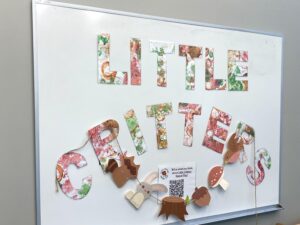
One of the best-known programs is Little Critters Nature Play, a drop-in program held from 9:30 a.m. to 1:30 p.m. Tuesdays, Thursdays and Saturdays in the zoo’s Bird House classroom.
The program was launched with three-year funding from the Smithsonian’s central endowment.
“A three-year funding appropriation from the Smithsonian’s central endowment has also enabled the department to add a term educator who developed and launched our popular Nature Play program offerings including the Little Critters program you referenced,” Klopfer wrote.
The program is for children ages 0-to-5 and includes developmental activities in which kids can explore rotating nature-based themes.
“There’s many, many studies that prove that being around nature is good for your mental health, your emotional health, your physical health. But for little kids specifically, it’s good to, like, understand how the world works,” said Carol Stringer, lead education facilitator at Smithsonian’s Zoo.
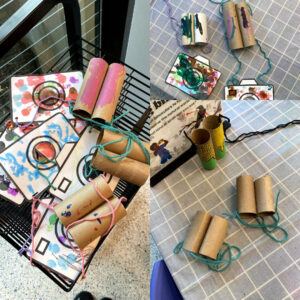
Activities include crafts, sensory bins and storytime. They change weekly, and the program offers at least 20 themes designed to interest children.
“We have one unit that’s called Things That Go. And it’s really vehicles because kids like trains and trucks and cars,” Stringer said.
Stringer also said parents value that the program is free and gives preschool-age children a chance to interact with others. Parents can also take part.
“We really encourage playing with the kids because it’s good for the kids. Especially when you’re modeling an activity.” Stringer said.
Carol Reynolds, a parent who attends the program, said such activities help children’s development, and the effect is quickly visible in their behavior.
Boo at Zoo ran Oct. 16-18 from 6 p.m. to 8:30 p.m. Children were able to trick-or-treat at more than 25 stops, watch a magician perform tricks, ride hand-carved animals on the Speedwell Foundation Conservation Carousel and take a ride on a mini-train around the Great Cats exhibit.
Katrina Foeller, who attended the event on Oct. 16, said such events help build a sense of community, raise awareness of animals and teach wildlife conservation.
The zoo stays committed to its educational programs and plans to develop more engaging offerings.
“Reaching learners is at the core of what we do,” Klopfer said.
The Night of the Living Zoo will take place Oct. 23, 2026, from 7 to 11 p.m. ZooLights will run from Nov. 20, 2026, through Jan. 3, 2027, with hours from 5 to 9 p.m. Monday through Saturday and 5 to 8 p.m. Sundays.
Admission to the Night of the Living Zoo costs $75, while ZooLights tickets are $10. Tickets for an adults-only ZooLights event on Dec. 16 cost $19.
Tickets are available for purchase on the National Zoo’s website, which also provides additional information about event schedules and activities.
 Hiba Alkhersam
 Jacob Saucier
 Isabella Barias


Add comment